



Traffic Trends Worsen for Some
TomTom reviewed nearly 500 major cities around the world for its annual Global Traffic Index, finding that congestion levels and travel time ticked up in some cities.


Los Angeles, Calif., has the highest congestion level in the country, but its traffic moves quickly based on 2025 data.
Canva
Software development and satellite navigation company TomTom reviewed nearly 500 cities for its annual Global Traffic Index and found that traffic or congestion is going from bad to worse.
The company measured both congestion level and travel time per kilometer. Congestion level is tabulated by how much traffic slows a road network, comparing ideal free-flow travel times with real-world average travel times. Major cities, like San Francisco, experienced increased travel time compared to 2024. But 125 cities, including New Orleans, saw improvements in congestion level.
Many cities have made changes that can impact free-flow travel times, such as lowering speed limits, adding bicycle lanes and upgrading infrastructure. Of the cities with eased congestion levels, only 24 had reduced their average travel time per kilometer, and just 11 had reduced their free-flow travel times.
“If actual travel times stay the same while free-flow times rise, congestion levels will appear to decrease — not because roads are moving faster, but because infrastructure changes have reduced the difference between free-flow and actual travel times,” said TomTom.
Notably, New York City saw a 1%, or two-second, reduction in travel time per kilometer last year. The index credits the change to a new congestion charge for drivers entering the city, as well as improved cycling infrastructure. Drivers pay a fee, based on the time and duration of their visit and their vehicle type, to enter lower Manhattan between the southern end of Central Park and the city’s financial district.
Three U.S. cities saw travel times worsen: Syracuse by about 9%, Minneapolis by about 7%, and San Francisco, also by about 7%. Los Angeles had the highest congestion level, but its traffic moved quickly, according to the index.
More Industry

EV Consideration Climbs
Despite the loss of federal EV incentives, interest has grown in the U.S., largely thanks to charging infrastructure improvements.
Read More →
August Auto Angst
The hot month brought hot-to-the-touch vehicle prices in the U.S. as consumers dived for more affordable models but found higher price tags to go with them.
Read More →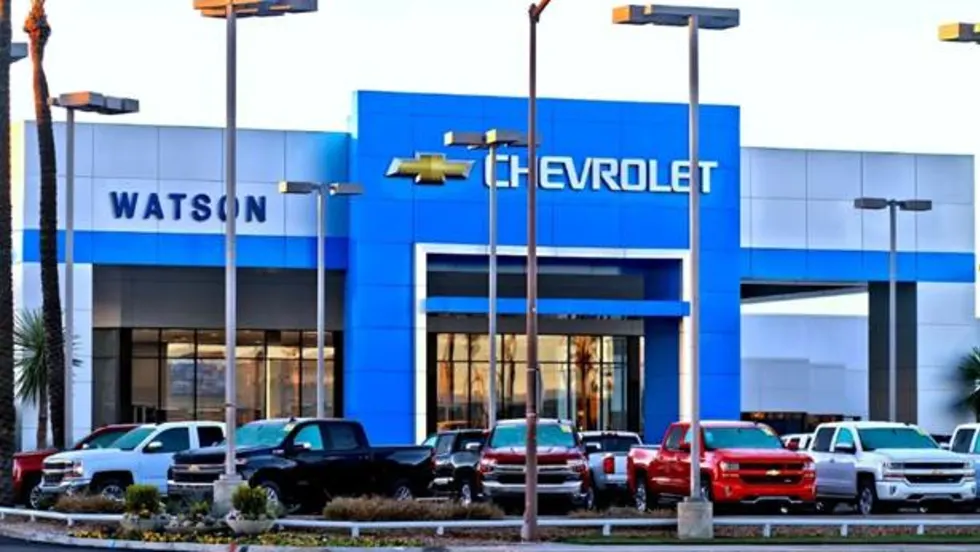
Arizona Stores in New Hands
The two franchises bring continued growth for a homegrown automotive group in its third generation of family ownership.
Read More →
Two New Rides Earn Safety Awards
Thanks to vehicle redesigns, two more vehicles have earned IIHS’ Top Safety Pick+ award that builds on the criteria of the lower Top Safety Pick award.
Read More →
How A Simple Phone Call Can Cause a Dealership Data Breach
Despite the sophisticated techniques fraudsters often employ today to gain access to dealerships’ valuable information, they sometimes use a somewhat old-fashioned approach.
Read More →
Texas Rooftop Gets New Owner, Name
Family-owned Lumos Auto Group acquired Acura of the Rio Grande Valley from Bill Bird and will operate the dealership as Lumos Acura.
Read More →
Hyundai Feeling Electric
As the automaker looks to the balance of the decade, it plans to significantly boost its electrified powertrain lineup, including more hybrids and its first extended-range EVs.
Read More →
Dealer Debrief: Luxury Brands are Losing Ground
The quality gap between luxury and mass-market auto brands is narrowing. Today, Lauren is discussing why.
Read More →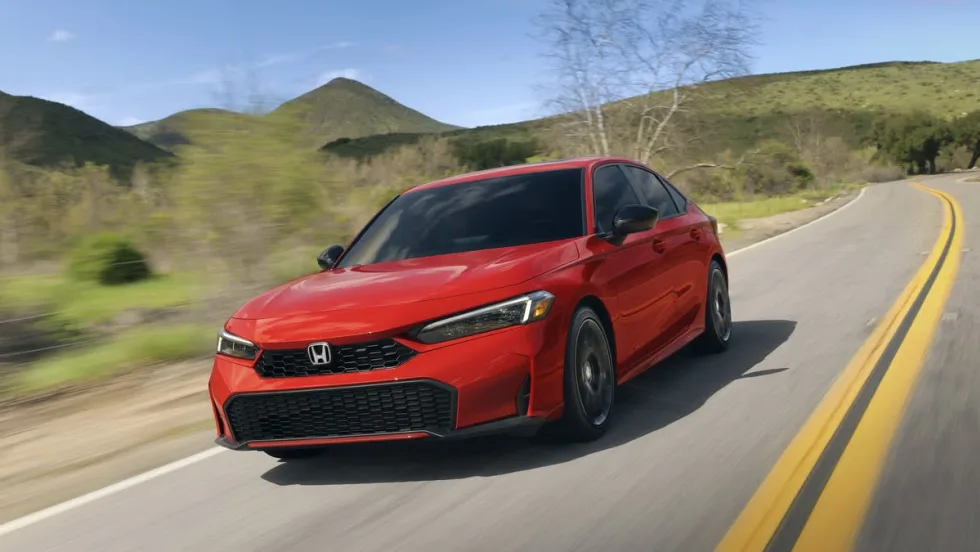
August Auto Sales a Mixed Bag
An early forecast shows strong business despite consumer hurdles, and hybrids are a big piece of their affordability coping strategy.
Read More →
Longtime Ford Store Changes Hands
The Virginia dealership joins a small area automotive group in a one-dealership transaction, moving from one family franchisee to another.
Read More →