


Lawmakers Seek U.S. Ban on Chinese Battery Makers
GOP reps, senator call on Dept. of Homeland Security to shut out two companies they say use slave labor.

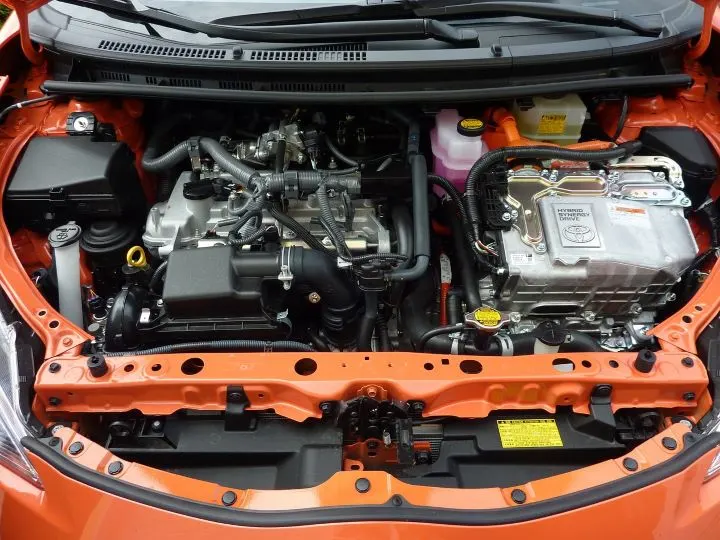
China holds much of the world’s supply of some EV battery materials, such as graphite.
Pixabay/Photoman
A group of Republican congressmen are calling on federal regulators to blacklist two Chinese battery manufacturers they say are using forced labor to make their products.
The lawmakers sent two letters to the Department of Homeland Security, saying that Chinese companies Gotion and CATL are using state-sponsored slave labor by minority populations and that they’ve expanded their U.S. presence.
Reps. John Moolenaar, R-Mich., Mark Green, R-Tenn., Carlos Gimenez, R-Fla, and Darin LaHood, R-Ill., and Sen. Marco Rubio, R-Fla., urged the department to add the companies to the “entity list” that bans from the U.S. products made by companies believed to be using forced labor.
The Biden administration has been separately taking steps to limit electric-vehicle batteries and battery materials from the U.S. market, in part by tying EV tax credits to vehicles with limited materials from Chinese and other “foreign entities of concern.” Last month, it did temporarily ease the restrictions to give U.S. automakers more time to comply.
China holds much of the world’s supply of some EV battery materials, such as graphite, but the U.S. is trying to speed development of domestic sources and battery manufacturing to eliminate dependence on its transpacific rival.
Moolenaar, chairman of the House Select Committee on the Chinese Communist Party, said in a statement on the letters, “The American people expect companies in the U.S. to avoid all involvement with the Chinese Communist Party’s campaign of genocide.”
More Industry
More Than Specs
Today's car buyers want more than technical specs: they want to know the true value of the vehicle and how it fits into their lives.
Read More →
Q3 Auto Market Breakdown | Dealer Debrief
New-vehicle financing hit record highs in the third quarter, and negative equity continues to strain the market. Learn more in this week's Dealer Debrief!
Read More →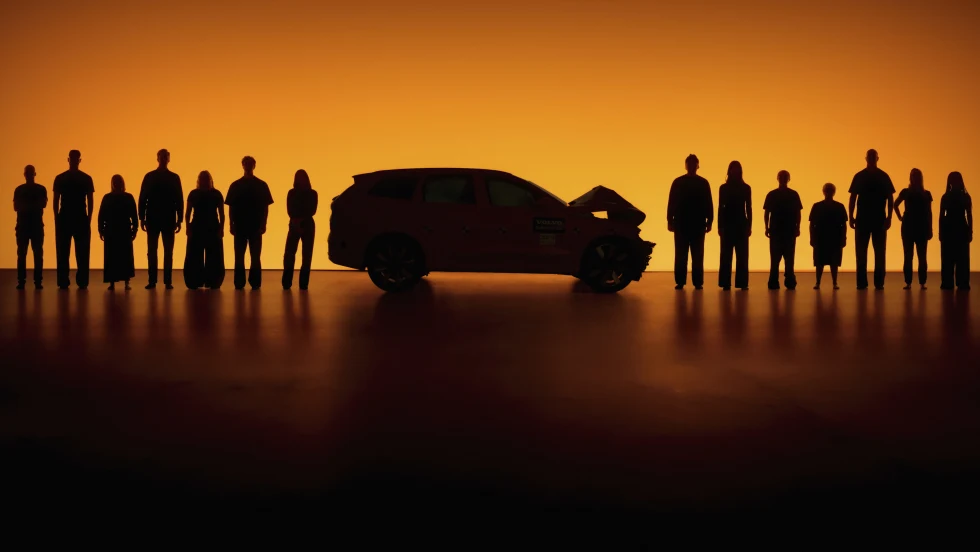
Automaker Advances Safety for All
A new report by Volvo Cars Safety Centre analyzed the impact of 50 years' worth of research in automotive safety development
Read More →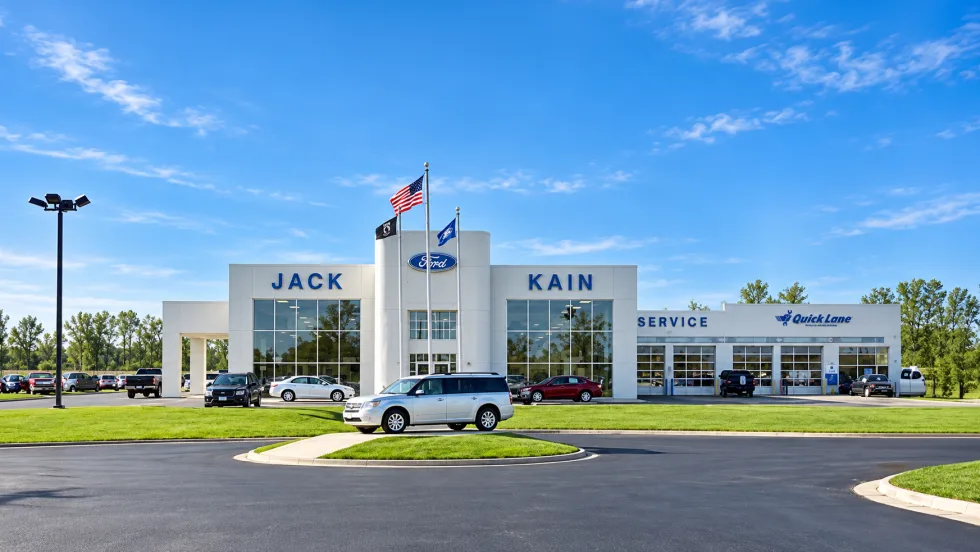
Kentucky Store Leaves Family
An auto group stretched across three states picked up the Lexington-area Ford fixture as its second store for the brand in the state.
Read More →
U.S. Auto Brands Falling Behind
Asian auto brands are outpacing U.S. brands in stateside new-vehicle sales. Learn more in this week's Dealer Debrief with Lauren!
Read More →
U.S. EV Market Update | Dealer Debrief
The U.S. electric vehicle market is slowly recovering from the loss of the federal EV tax credit last fall. Learn more in this week's Dealer Debrief!
Read More →
Auto Finance Numbers Set Records
Third-quarter data show how consumers are adapting to ongoing affordability challenges facing the new- and-used-vehicle markets.
Read More →
Auto Dealerships Can’t Afford to Ignore the 50+ Consumer
Younger generations may be all the buzz today when it comes to product marketing targets, but their older cohorts command a sizable share of purchasing power.
Read More →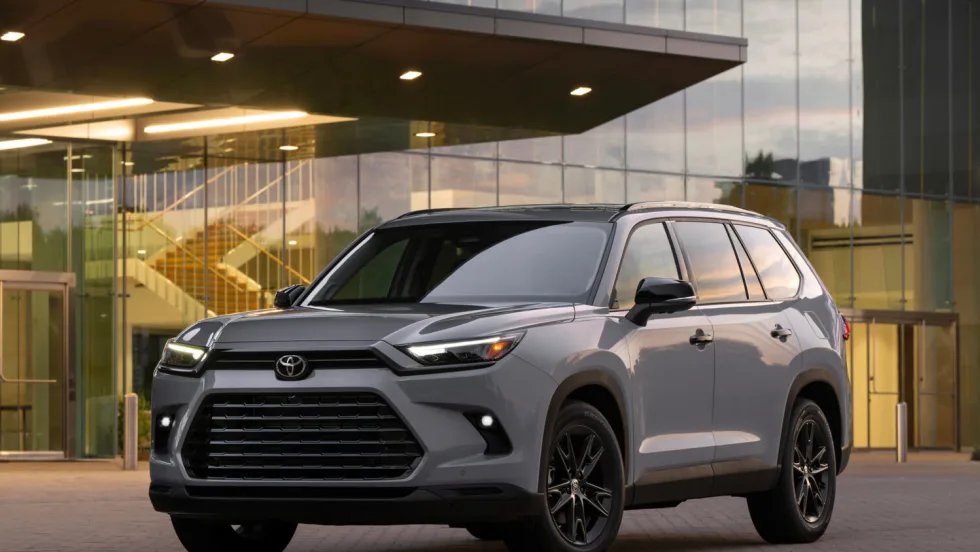
Savings Seekers Boost U.S. Automakers’ Rivals
As consumers here look for ways to curb inflation’s affect on their budgets, brands offering plenty of alternative powertrains are closing in on home-grown OEMs.
Read More →
The Slow Electric Ascent
Second-quarter data show that the electric-vehicle market in the U.S. is inching up, the majority of states seeing a month-over-month increase.
Read More →