


Tariff Sales Rush Cuts Supply
Cox analysis forecasts continued brisk spring sales eating into existing inventories, along with coming price hikes, especially for lower-priced models.

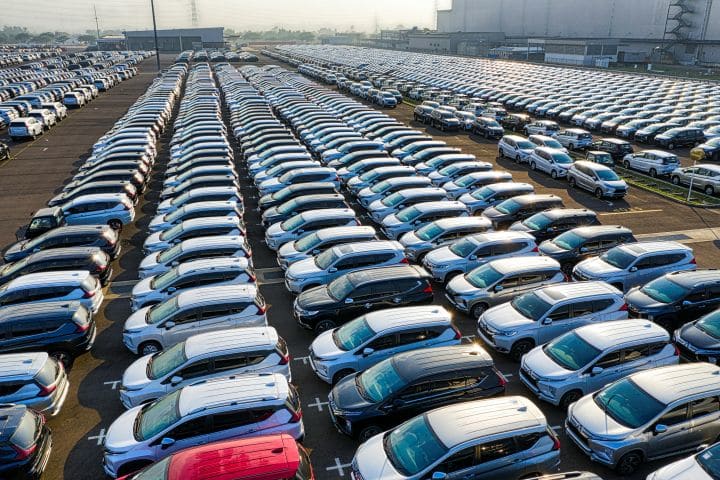
A sales increase in March cut into existing vehicle inventories ahead of U.S. trade tariffs' effects.
Pexels/Tom Fisk
Industry analysts at Cox Automotive, after a March surge in new-vehicle sales as consumers rushed to beat trade tariff impacts, expect continued strong spring sales that will further eat into existing inventory.
Days’ supply fell during the month from 89, or about three months of supply, to 71. Meanwhile, used-vehicle inventory dwindled to 38 days, though Cox pointed out that’s typical with the annual spring sales bump.
Supply conditions varied widely by brand based on inventory levels before the rush. Cox says Ford, Mazda and Hyundai inventories were all at more than four months’ worth as the month opened, while Stellantis-owned Jeep and Ram were slightly under that, and Toyota, Honda and Subaru supplies were much lower.
A key inventory metric to watch, though, will be the more affordable, high-volume models, which will be particularly vulnerable to the 25% U.S. trade tariff on imported vehicles that took effect on April 3.
Cox estimates that over 40% of 2024 new-vehicle sales were models priced under $40,000, far below the $48,000-plus average, and sees almost 80% of models under $30,000 being subject to the tariff.
It calls the new conditions “uncharted territory” and estimates that affected vehicles’ prices will rise 10% to 15% at a time that consumers were still adjusting to pandemic-era price inflation, albeit inflation that had calmed over the past two years. It also predicts 5% price increases for vehicles not subject to the full tariff.
With the tariffs, U.S. President Donald Trump is targeting increased U.S. vehicle production and also cites national security as a motivating factor. Cox urges a more thoughtful approach.
“We support manufacturing vehicles within the United States; however, it is important to acknowledge that such transitions require time and investments, which are certainly possible, but all begin with long-term stability in policy and consistent rulemaking at the borders,” said Executive Analyst Erin Keating. “The rollout of massive new tariffs at the U.S. border has been anything but.”
More Industry

More Than Specs
Today's car buyers want more than technical specs: they want to know the true value of the vehicle and how it fits into their lives.
Read More →
Q3 Auto Market Breakdown | Dealer Debrief
New-vehicle financing hit record highs in the third quarter, and negative equity continues to strain the market. Learn more in this week's Dealer Debrief!
Read More →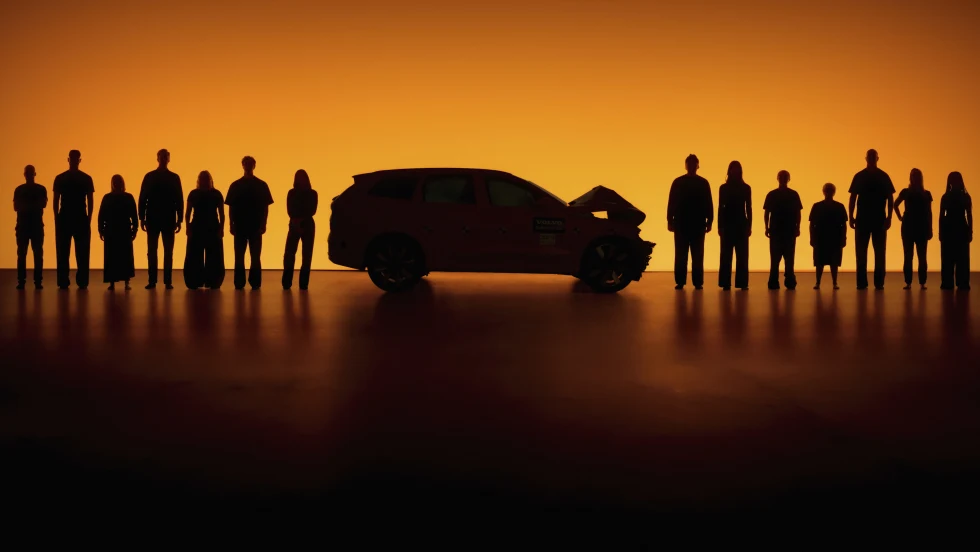
Automaker Advances Safety for All
A new report by Volvo Cars Safety Centre analyzed the impact of 50 years' worth of research in automotive safety development
Read More →
Kentucky Store Leaves Family
An auto group stretched across three states picked up the Lexington-area Ford fixture as its second store for the brand in the state.
Read More →
U.S. Auto Brands Falling Behind
Asian auto brands are outpacing U.S. brands in stateside new-vehicle sales. Learn more in this week's Dealer Debrief with Lauren!
Read More →
U.S. EV Market Update | Dealer Debrief
The U.S. electric vehicle market is slowly recovering from the loss of the federal EV tax credit last fall. Learn more in this week's Dealer Debrief!
Read More →
Auto Finance Numbers Set Records
Third-quarter data show how consumers are adapting to ongoing affordability challenges facing the new- and-used-vehicle markets.
Read More →
Auto Dealerships Can’t Afford to Ignore the 50+ Consumer
Younger generations may be all the buzz today when it comes to product marketing targets, but their older cohorts command a sizable share of purchasing power.
Read More →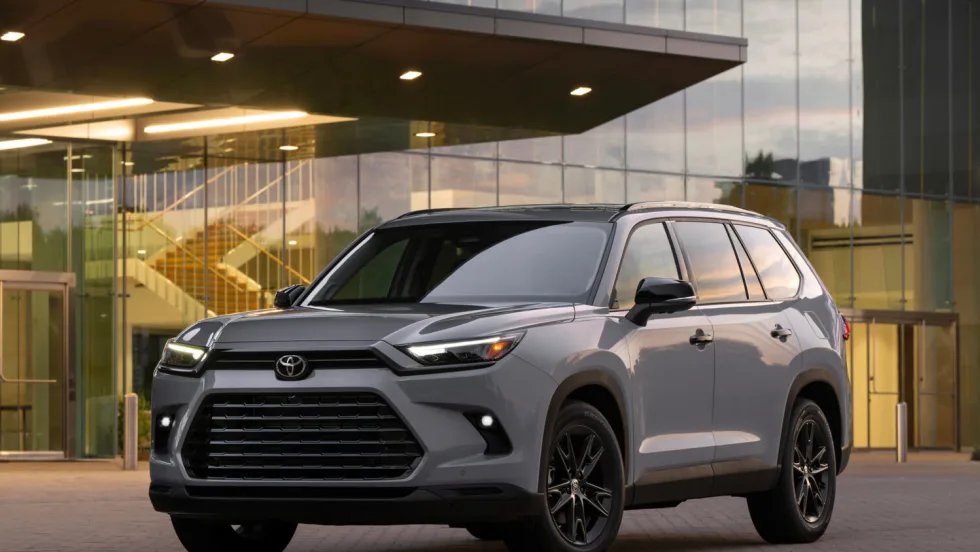
Savings Seekers Boost U.S. Automakers’ Rivals
As consumers here look for ways to curb inflation’s affect on their budgets, brands offering plenty of alternative powertrains are closing in on home-grown OEMs.
Read More →
The Slow Electric Ascent
Second-quarter data show that the electric-vehicle market in the U.S. is inching up, the majority of states seeing a month-over-month increase.
Read More →